
I. What is a HDPE Pipe?
HDPE (High-Density Polyethylene) is a thermoplastic material made from the polymerization of ethylene. Its unique molecular structure combines rigidity and flexibility. Its core properties include:
- Extremely Corrosion Resistance: Resistant to acids, alkalis, salts, and organic solvents (e.g., pH 2-12 environments), it is particularly suitable for harsh environments such as chemical plants and sewage treatment plants.
- Excellent Mechanical Properties: Tensile strength ≥ 25 MPa, compressive strength ≥ 50 MPa, and abrasion resistance four times that of steel pipe, capable of withstanding high-velocity mud erosion.
- Optimized Fluid Efficiency: The smooth inner wall (Manning coefficient 0.009) reduces frictional resistance by 30% compared to traditional pipes, significantly reducing pumping energy consumption.
- Environmental Adaptability: Resistant to temperatures down to -60°C, it exhibits excellent frost resistance and maintains flexibility even in extremely cold regions. Orientflex’s gas station underground HDPE pipe was developed based on these properties, specifically optimized for the complex underground environment of gas stations. It complies with the ASTM D3035 pressure pipe standard and can safely transport fuel, chemicals, and other media.
II. Can HDPE pipe be used underground?
The answer is yes, and it has become one of the preferred materials for underground projects. Its advantages for underground applications include:
1. Structural Reliability
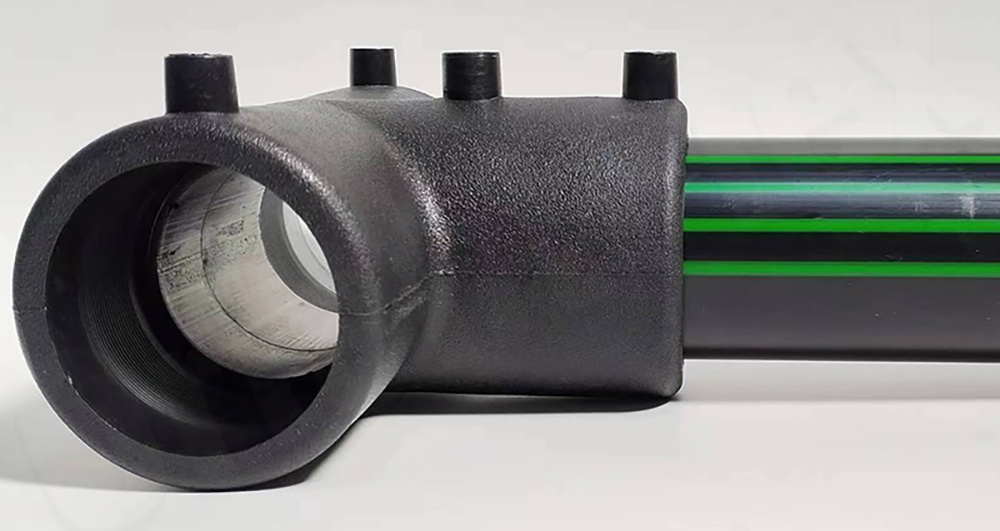
HDPE pipe is seamlessly joined by hot-melt connections, offering sealing properties far superior to traditional metal pipes. ASTM F1759 defines its design specifications for structures such as underground manholes and verifies its ability to resist settlement. For example, in soft soil or quicksand foundations, HDPE pipe can adapt to uneven settlement through flexible deformation, preventing fracture.
2. Corrosion and Aging Resistance
Chemical substances in underground soil (such as sulfides and heavy metal ions) pose a serious threat to metal pipes. However, HDPE’s chemical inertness allows it to function for long periods without the need for additional anti-corrosion coatings. For example, a high-speed rail tunnel project using HDPE lining has maintained stable performance after 20 years.
3. Installation Ease
The pipe weighs only one-eighth of steel pipe and can be laid using trenchless techniques (such as directional drilling), minimizing impact on surface traffic. For example, in high-traffic areas, the minimum cover depth for HDPE pipe is only 300mm (according to ASTM D2321), while metal pipes require deeper burial depths.
What is the lifespan of HDPE underground pipe?
The design lifespan is typically over 50 years, but actual performance is affected by the following factors:
1. Environmental Conditions
- Chemical Media: In water containing chlorine disinfectants, HDPE may undergo oxidative degradation, resulting in a shortened lifespan (e.g., failure after 5 years in one case). However, Orientflex’s gas station underground HDPE pipe effectively resists UV and chemical attack by adding antioxidants and carbon black (content 2-2.5%).
- Soil Properties: Acidic soils (e.g., pH < 5) may accelerate surface aging, but laboratory tests have shown that HDPE retains over 80% of its mechanical properties after immersion in hydrochloric acid solution.
2. Installation Quality
Pipes must be buried in backfill material with a compaction level of ≥90%. The cover depth should be at least 300mm in traffic areas and increased to 600mm in heavy vehicle areas. Orientflex provides professional installation guidelines to ensure the pipes do not deform under long-term static loads.
3. Application Scenarios
- General municipal environments: For example, water supply networks generally have a service life of over 50 years.
- Industrial Scenarios: For transporting oily wastewater, we recommend Orientflex underground hose pipes. Their inner layer is made of oil-resistant modified HDPE, extending their service life to over 40 years.
How to Choose HDPE Pipe for Underground Use?
1. Selecting by Pressure Rating
Underground pipes should be selected with an SDR (Standard Dimension Ratio) rating based on the pressure of the medium being transported. For example, SDR11 (pressure rating 16 bar) is recommended for gas station pipelines, while SDR17 (pressure rating 10 bar) is recommended for general drainage.
2. Customization for Special Environments
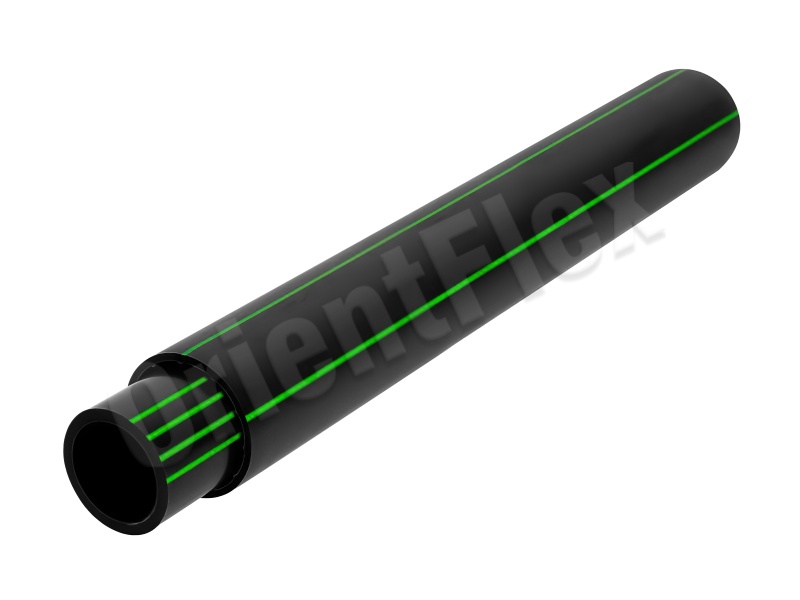
- For high-corrosion areas: Choose models with added antioxidants and carbon black, such as Orientflex’s buried waterline pipe, which operates reliably in harsh environments like landfills.
- For high-pressure applications: Pipes that meet ASTM D3035 standards can withstand pressures exceeding 25 bar and are suitable for underground oil transfer systems at gas stations.
3. Complementary System Optimization
We recommend pairing this with Orientflex’s oil suction and delivery hose for a complete underground fluid delivery solution. This series features a steel wire-reinforced structure that withstands alternating vacuum pressure (-0.9 bar) and positive pressure (20 bar), eliminating the aging issues associated with traditional rubber hoses.
FAQs about HDPE pipe
Q1: Does buried HDPE pipe require special maintenance?
A: Routine maintenance requires only regular inspection of joint seals; no anti-corrosion treatment is required. Orientflex products undergo 100,000 cycle pressure testing before shipment, ensuring they withstand soil stress fluctuations.
Q2: How can I determine if underground HDPE pipe is aging?
A: Irradiation testing or sampling can be used to test the crystallinity. Normal pipe crystallinity should be ≥60%. If it’s below 50%, it needs to be replaced.
Q3: Can HDPE pipe be directly connected to metal pipe?
A: Special transition joints (such as flanges) must be used to prevent galvanic corrosion. Orientflex offers a full range of compatible fittings to ensure connection strength and tightness.
Conclusion
HDPE pipe has become the gold standard for underground engineering due to its corrosion resistance, long life, and ease of installation. Orientflex’s gas station underground HDPE pipe incorporates cutting-edge industry technology. Not only does it meet international standards such as ASTM D3035, but through anti-oxidation modification and structural optimization, it provides a reliable underground fluid transportation solution for gas stations, chemical plants, and other applications. Whether it’s a buried water line or underground hose pipe, choosing HDPE means choosing peace of mind for the next 50 years.