
Peristaltic pump tubing is a critical component in peristaltic pumping systems, enabling precise, contamination-free fluid transfer. Its design and performance directly impact pumping efficiency, making it essential to understand its structure, materials, sizing, applications, and durability. Let’s explore these aspects in detail.
What is Peristaltic Pump Tubing?
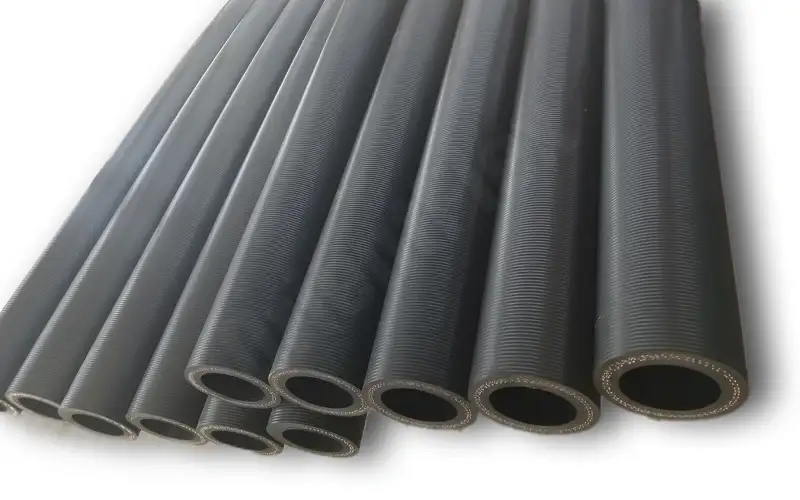
Peristaltic pump tubing is a flexible, elastomeric tube engineered to work with peristaltic pumps. The core principle relies on peristalsis—a wave-like squeezing action: the pump’s rotating rotor (fitted with rollers or shoes) compresses the tubing, pushing fluid forward through the tube. As the rotor turns, the compressed section relaxes, drawing in more fluid.
Structurally, it typically features three layers:
- Inner liner: A smooth, non-reactive layer that contacts the fluid, preventing absorption or leaching.
- Reinforcement layer: Often made of synthetic fibers or steel wire, this adds tensile strength to resist stretching during repeated compression.
- Outer cover: A tough, wear-resistant layer that protects against friction from the pump’s rotor and external damage.
This design ensures zero contact between the pump’s mechanical parts and the fluid, making it ideal for sensitive applications where purity and sterility are critical.
Peristaltic Pump Tubing Materials: Key Properties and Applications
The choice of material depends on the fluid’s characteristics (chemistry, temperature, viscosity) and operational conditions. Here are the most common materials, with their technical attributes:
Silicone:
- Temperature range: -40°C to 100°C (up to 150°C for short-term use).
- Key traits: High flexibility, excellent biocompatibility (meets FDA and USP Class VI standards), and low extractables.
PVC (Polyvinyl Chloride):
- Temperature range: -10°C to 60°C.
- Key traits: Cost-effective, good chemical resistance to non-polar solvents, and moderate flexibility.
Viton (FKM):
- Temperature range: -20°C to 200°C.
- Key traits: Exceptional resistance to strong acids, fuels, and oxidizing agents; high tensile strength.
TPV/TPE (Thermoplastic Vulcanizate/Elastomer):
- Temperature range: -40°C to 125°C.
- Key traits: Balances flexibility and durability; resistant to oils and mild chemicals; recyclable.
Rubber-based materials (e.g., EPDM, Nitrile):
- Temperature range: EPDM (-40°C to 150°C); Nitrile (-30°C to 120°C).
- Key traits: EPDM offers good resistance to water and steam; Nitrile excels with oils and fuels. They are durable but less flexible than silicone, making them suitable for heavy-duty industrial use (e.g., transferring lubricants or water-based fluids).
Applications of Peristaltic Pump Tubing
Peristaltic pump tubing’s contamination-free design and material versatility make it indispensable across industries. Here are key application cases:
Food & Beverage Processing:
A dairy plant uses silicone peristaltic tubing (ID 25mm, OD 40mm) to transfer raw milk from storage tanks to pasteurizers. Silicone’s FDA compliance ensures no harmful substances leach into the milk, while its flexibility allows easy routing around factory equipment. The tubing’s smooth inner liner prevents bacterial buildup, critical for maintaining milk freshness.
Pharmaceutical Manufacturing:
A vaccine production facility relies on USP Class VI silicone tubing (ID 10mm) to transfer sterile vaccine solutions between mixing tanks and filling machines. The material’s low extractables and biocompatibility eliminate the risk of contaminating the vaccine, while its ability to withstand steam sterilization (121°C) ensures ongoing sterility.
Chemical Processing:
A chemical plant uses Viton tubing (ID 50mm) to pump concentrated sulfuric acid (a highly corrosive fluid) from reaction vessels to storage drums. Viton’s resistance to strong acids and high operating temperature (up to 150°C in this case) prevents tube degradation, avoiding leaks and safety hazards.
Wastewater Treatment:
A municipal wastewater plant employs TPV tubing (ID 125mm) to transfer sludge (a thick, abrasive mixture of water and solids). TPV’s durability resists wear from particulate matter, while its flexibility handles the sludge’s high viscosity without clogging. The tubing’s 16-bar pressure rating ensures it can push sludge through long pipeline runs.
Medical Devices:
Hospital IV pumps use small-diameter silicone tubing (ID 3mm) to deliver precise doses of medication to patients. The tubing’s flexibility allows it to fit in compact pump designs, while its biocompatibility ensures no adverse reactions with blood or medications.

How to Choose Peristaltic Pump Tubing Sizes?
Tubing size is defined by three key parameters, which directly affect flow rate and pump compatibility:
- Inner Diameter (ID): The most critical factor. Flow rate correlates with the fourth power of the ID—a small increase in ID drastically boosts flow. Common IDs range from 10mm to 125mm.
- Outer Diameter (OD): Must match the pump’s rotor/shoe dimensions to ensure proper compression. Typical ODs range from 32mm to 168mm, paired with specific IDs.
- Wall Thickness: Determines pressure resistance and durability. Thicker walls (3mm–20mm) handle higher pressures (up to 16 bar) but require more rotor force to compress.
Length is also application-dependent, with standard options from 570mm (for small laboratory pumps) to 4000mm (for industrial-scale systems).
How Long Does Peristaltic Pump Tubing Last?
Lifespan depends on operational stressors, with an average of 1–4 weeks under standard use. Key factors affecting durability include:
- Compression fatigue: Repeated squeezing by the rotor causes material degradation. High rotor speeds (over 300 RPM) accelerate this.
- Fluid abrasiveness: Particulate-laden fluids (slurries, sludge) wear down the inner liner faster.
- Temperature extremes: Operating beyond the material’s rated range causes hardening or softening.
- Chemical attack: Incompatible fluids cause swelling or cracking.
- To extend lifespan: select the right material for the fluid, limit rotor speed to 200 RPM or lower, and inspect weekly for wear (thinning walls, surface cracks).
Peristaltic pump tubing’s performance hinges on material, size, and maintenance. Choosing the right option ensures reliable, contamination-free fluid transfer across industries.
Orientflex offers peristaltic pump tubing in a range of materials and sizes, engineered to meet diverse operational needs.